
The 5 Ps of Marketing in Healthcare: A Prescription for Success
In today’s competitive healthcare landscape, adapting the classic 5 Ps of marketing—Product, Price, Place, Promotion, and People—provides a strategic framework for building trust, enhancing patient experience, and driving growth. Applying these principles effectively helps healthcare providers align services with patient expectations while improving visibility and reputation.
How to Successfully Apply the 5 Ps of Marketing to Healthcare
Before diving into each element, it’s essential to understand that healthcare marketing revolves around empathy, reliability, and transparency. Patients are not just consumers; they are individuals seeking reassurance, expertise, and care. Integrating the 5 Ps holistically ensures your healthcare practice communicates these values at every touchpoint.
P #1: Product – Patient-Centred Care and Differentiation
Product Differentiation Strategies in Healthcare:
- Patient-Centred Care: Focus on outcomes, communication, and comfort from first contact to follow-up.
- Convenience: Offer flexible appointment scheduling, online booking, and user-friendly portals.
- Innovation: Incorporate new technologies, such as telehealth platforms and electronic record integration, to improve patient access and satisfaction.
P #2: Place – Accessibility and Connection
‘Place’ describes how and where patients access your services. In healthcare, this goes beyond physical location—it includes digital access and community reach. Convenience is now measured by both physical proximity and seamless digital interactions.
Location and Accessibility Strategies in Healthcare:
- Physical Locations: Position clinics in easily accessible areas with adequate parking and transport links.
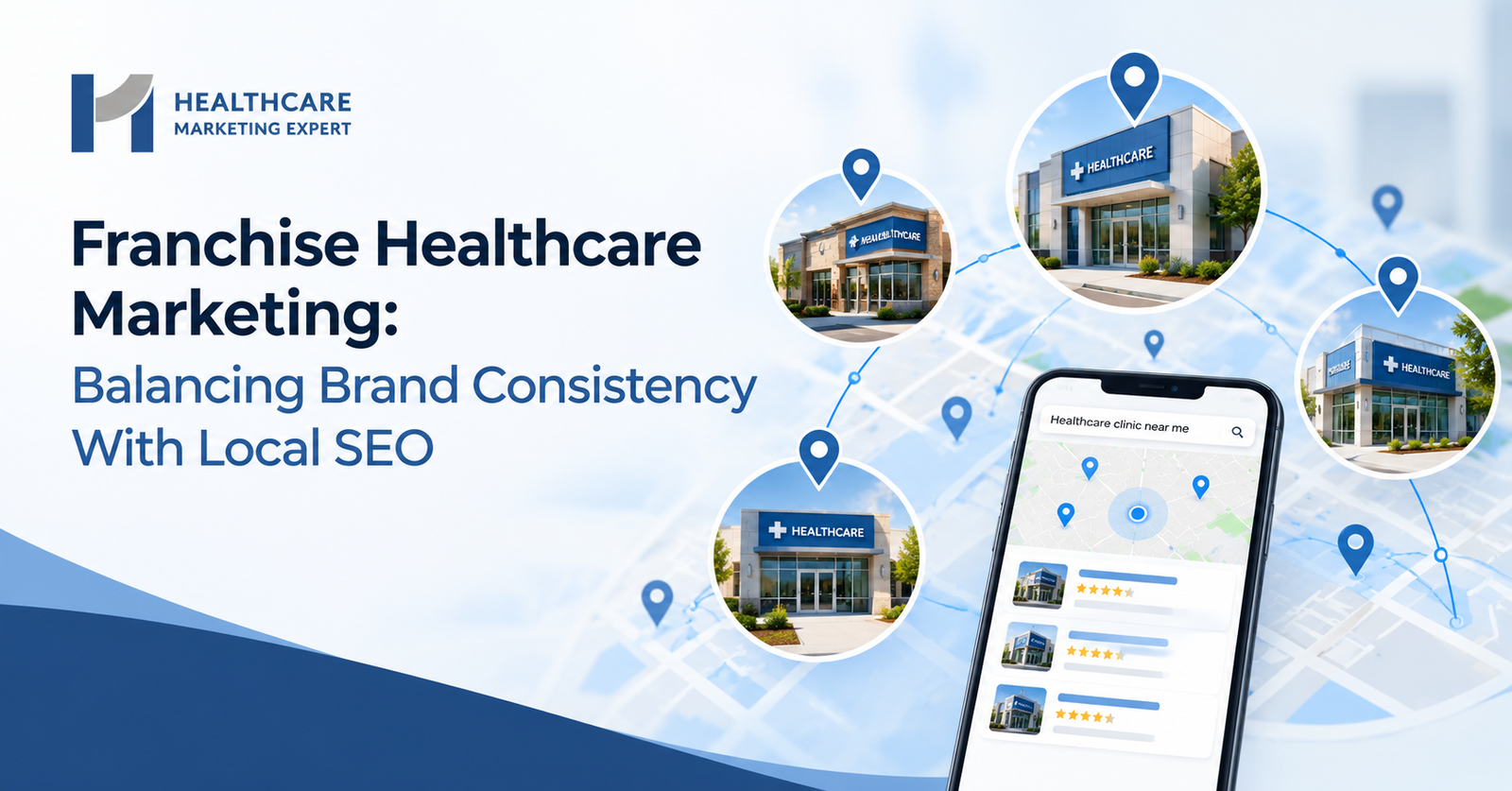
- Local SEO: Optimise your online presence to appear in local searches, helping nearby patients find your services quickly.
- Digital Access: Embrace telehealth and mobile-friendly websites for remote consultations and ongoing care management.
- Community Outreach: Strengthen connections by participating in health fairs, educational workshops, and screening events.
P #3: Price – Transparency and Value
Clear and accessible pricing information builds trust and encourages patient loyalty. As healthcare costs remain a concern for many, transparency in pricing helps patients make informed decisions and reduces anxiety about unexpected bills.
Key Pricing Transparency Strategies:
- Insurance Information: Provide easily accessible information about accepted insurance plans and how they affect costs.
- Cost Estimates: Offer upfront estimates for common procedures and treatments to manage expectations.
- Financial Counselling: Make financial advisors or counsellors available to help patients understand their payment options and budgets.
Value perception in healthcare is about the quality of care, patient outcomes, and the overall experience—not just cost. Communicating your value proposition is vital for differentiating your practice.
P #4: Promotion – Amplifying Awareness through Digital Marketing
Promotion is how you communicate the value of your healthcare services to current and potential patients. With digital transformation reshaping patient behaviour, a well-rounded promotional strategy is essential for visibility and engagement.
Effective Healthcare Promotion Strategies:
- Trackable Digital Marketing: Use data-driven campaigns across search engines, email, and paid ads to measure return on investment.
- Social Media Engagement: Share educational posts, patient stories, and wellness tips to build community trust.
- Online Reviews and SEO: Encourage satisfied patients to leave positive reviews, and maintain accurate listings to boost reputation.
- Content Marketing: Develop blogs, videos, and infographics addressing common health concerns to position your brand as a thought leader.
- Patient Surveys and Testimonials: Collect authentic feedback and use it to refine service delivery and marketing approach.
- Community Involvement: Participate in local events and collaborations to humanise your brand and demonstrate commitment to public health.
P #5: People – The Heart of Healthcare Marketing
In healthcare, people are at the core of everything. From the clinicians delivering care to the administrative staff managing patient communications, every interaction shapes your practice’s image and patient satisfaction.
Key People-Focused Strategies:
- Patient Engagement: Build long-term relationships through personal communication, follow-ups, and education.
- Customer Service: Train staff to deliver compassionate, efficient, and courteous service throughout the patient journey.
- Feedback Loops: Use patient feedback surveys to identify opportunities for improving care quality and patient experience.
- Community Relations: Engage with local organisations and causes to reinforce your role as a trusted healthcare partner.
Integrating Technology in Healthcare Marketing
Modern marketing technology enhances the performance of every ‘P’. Predictive analytics, automation tools, and performance dashboards help identify patient needs, optimise campaigns, and track growth metrics. Embracing digital innovation ensures efficiency and sustained relevance in an evolving marketplace.
Common Mistakes to Avoid with the 5 Ps
While the 5 Ps are foundational, overlooking their integration can lead to disjointed patient experiences. Avoid focusing solely on digital channels without prioritising care quality, and don’t understate pricing transparency. Each ‘P’ should support the others for a cohesive and trustworthy brand image.
Conclusion: Transforming Your Healthcare Business Through the 5 Ps
FAQs
1. Why are the 5 Ps important in healthcare marketing?
They provide a structured approach to positioning healthcare services in a way that improves patient trust, operational efficiency, and overall brand visibility.
2. How does pricing transparency affect patient satisfaction?
Transparent pricing helps patients feel informed and respected, reducing anxiety over unexpected costs and improving trust in healthcare providers.
3. What role does technology play in modern healthcare marketing?
Technology allows practices to streamline communication, target audiences more effectively, and analyse patient behaviour for better service delivery.
4. How can small healthcare practices apply the 5 Ps effectively?
By focusing on local SEO, transparent patient communication, and authentic community engagement without requiring large budgets.
5. What are the most effective promotional strategies for healthcare?
Combining digital marketing—including SEO and social media—with patient testimonials and educational content yields the best results for awareness and trust-building.